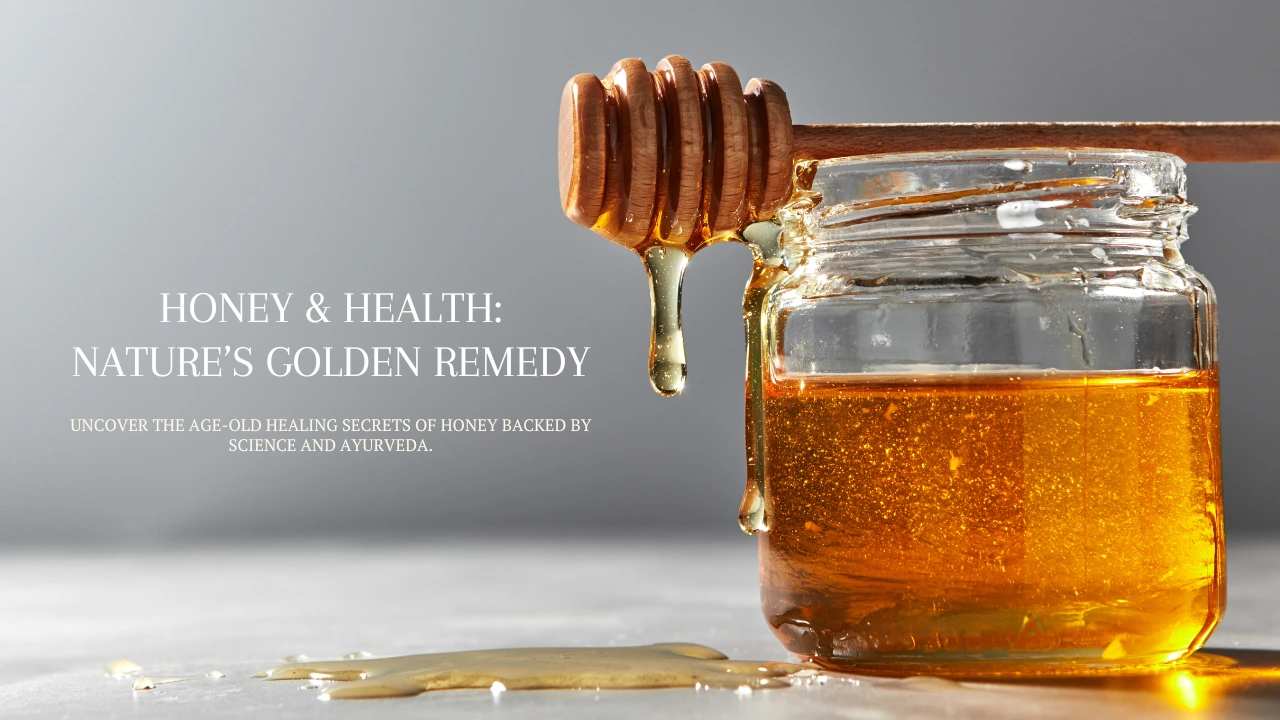



For centuries, honey has been more than just a sweetener. It’s a natural wonder, steeped in tradition, revered in Ayurvedic texts, and embraced in modern wellness routines. But amidst the wave of “healthier alternatives,” many people wonder — is honey truly good for you? The short answer is yes — when consumed in moderation and in its pure form, honey offers a wealth of health benefits, from boosting immunity to aiding digestion.
In this article, we’ll uncover the rich history, types, nutritional values, health benefits, and potential cautions associated with honey. Whether you’re a new mom looking for natural energy, someone managing weight, or simply exploring Ayurvedic living, this deep dive into honey is for you.
The Ancient Legacy of Honey
Honey’s history stretches back over 8,000 years. Ancient Egyptians used it in embalming and healing, while Indian Ayurveda texts call it Madhu — a powerful agent to balance the doshas (Vata, Pitta, Kapha). The Charaka Samhita, one of Ayurveda’s foundational texts, describes honey as a natural antiseptic, nutritive tonic, and digestive aid.
From religious rituals to folk remedies, honey has held its place as a golden elixir of health.
What Makes Honey So Special?
Unlike processed sugars, honey is loaded with bioactive compounds that contribute to its therapeutic effects. The quality of honey depends on its botanical source, how it’s extracted, and how it’s processed.
Nutritional Profile (Per 100g of Raw Honey):
- Calories: ~304
- Carbohydrates: ~82g (mostly fructose and glucose)
- Sugars: ~76g
- Protein: 0.3g
- Fat: 0g
- Fiber: 0.2g
- Water: ~17g
- Vitamins: Small amounts of B2 (riboflavin), B3 (niacin), B5, B6, folate
- Minerals: Calcium, potassium, zinc, phosphorus, magnesium, iron
- Antioxidants: Flavonoids and phenolic acids
These naturally occurring nutrients make honey more than just a source of sweetness.
Types of Honey
Honey isn’t a one-size-fits-all product. Its taste, color, aroma, and health benefits vary depending on the nectar source, climate, and method of processing. Over centuries, different types of honey have been revered across cultures, not just for their sweetness but also for their unique therapeutic values. Let’s explore the diverse world of honey and understand what makes each type special.
Wild Forest Honey
Wild forest honey is harvested from bees that collect nectar from wildflowers and herbs in untouched forest regions. It is often darker in color with a deep, earthy flavor and is rich in antioxidants, thanks to the diverse flora. Since it is collected in natural habitats, it’s less likely to be contaminated or processed, making it a favorite in traditional healing systems like Ayurveda.
Eucalyptus Honey
Extracted from the nectar of eucalyptus blossoms, this honey carries a distinct menthol-like aroma and flavor. It is particularly cherished for its antibacterial and anti-inflammatory properties. Traditionally, it has been used for soothing coughs, colds, and respiratory congestion, making it a go-to in many herbal remedies.
Acacia Honey
Light in color with a mild floral taste, acacia honey is derived from the blossoms of the black locust tree (Robinia pseudoacacia). It remains liquid for a longer period due to its high fructose content. Acacia honey is known for its detoxifying effects and is gentle on the digestive system, making it suitable even for young children in moderation.
Mustard Honey
Originating from mustard flower nectar, this variety is commonly harvested during the mustard blooming season. It has a strong, spicy aroma and a rich golden hue. Mustard honey is known to crystallize quickly and is often favored in North Indian households for both taste and its immunity-boosting qualities.
Jamun Honey
Collected from the blossoms of the Jamun (Indian blackberry) tree, this honey has a slightly bitter aftertaste and is dark in color. It is highly recommended for diabetics in moderation because of its low glycemic index. Jamun honey is also believed to help regulate blood sugar levels and improve digestion.
Sidr Honey
Sidr honey, also known as Beri honey, is produced by bees that pollinate the Sidr tree (Ziziphus spina-christi). Native to Yemen, parts of India, and the Middle East, this honey is among the most expensive and prized varieties in the world. It has a luxurious texture, deep flavor, and strong antibacterial properties. Sidr honey is especially used for wound healing, liver health, and enhancing vitality.
Clover Honey
Popular in Western countries, clover honey is made from the nectar of clover plants. It has a light, sweet taste and is pale golden in appearance. Often found in commercial markets, clover honey is mild and versatile, making it a favorite table honey for everyday use.
Himalayan Honey
Harvested from the higher altitudes of the Himalayas, this rare honey is sourced from wild bees and native flora. It has a complex flavor profile and is sometimes referred to as “mad honey” due to its mildly intoxicating effects when taken in large quantities. Used traditionally for its high medicinal value, it is known to help with hypertension, fatigue, and joint pain.
Multi-floral or Mixed Flower Honey
This type of honey is derived from multiple flower sources and is commonly found in many parts of India. Depending on the season and region, the taste and color can vary widely. Multi-floral honey offers a blend of health benefits and is widely consumed for general immunity and well-being.
Organic Honey
Organic honey is sourced from bee farms that adhere to strict organic farming standards. This means no synthetic pesticides or antibiotics are used, and bees are allowed to forage in areas rich in organically grown plants. The result is a cleaner, more natural product that supports both health and the environment.
Each type of honey offers unique benefits, and raw, unprocessed varieties retain the highest nutritional value.
Health Benefits of Honey
Honey isn’t just a comfort food — it’s a natural healer. Let’s explore the many ways it supports health:
Boosts Immunity
Honey is rich in antioxidants, enzymes, and trace minerals that strengthen the body’s defense system. Consuming a spoonful of honey with warm water or lemon daily can help prevent seasonal infections.
Soothes Sore Throats & Coughs
A traditional remedy, honey coats the throat, easing irritation and acting as a natural cough suppressant. It’s even backed by the World Health Organization for this use.
Improves Digestion
Honey acts as a prebiotic, nourishing the good bacteria in the gut. It helps relieve constipation, bloating, and indigestion.
Heals Wounds & Burns
Thanks to its antibacterial and anti-inflammatory properties, honey is used topically to heal wounds, burns, and ulcers.
Supports Skin Health
Raw honey hydrates the skin, treats acne, and reduces inflammation. It’s a common ingredient in natural face masks.
Natural Energy Booster
Unlike refined sugar, honey provides slow-releasing energy, making it a great pre-workout snack. It replenishes glycogen levels and reduces fatigue.
Regulates Blood Sugar (With Caution)
Though high in sugar, honey has a lower glycemic index than table sugar and offers trace minerals. Diabetics should consume it mindfully and opt for medicinal honeys like Jamun or raw forest honey.
Relieves Allergy Symptoms
Local honey, when consumed regularly, can help build immunity against pollen allergies by acting like a natural vaccine.
Aids in Weight Management
Honey helps suppress appetite, especially when consumed with warm water and lemon. It also boosts metabolism when paired with cinnamon.
Enhances Memory
Antioxidants in honey are known to prevent oxidative stress in the brain and enhance cognitive function.
Honey in Ayurveda: A Therapeutic Agent
In the vast and ancient science of Ayurveda, honey — known as Madhu in Sanskrit — is much more than a natural sweetener. It is celebrated as a potent healing substance, a carrier of herbal medicine, and a rejuvenating tonic. Ayurvedic texts, including the Charaka Samhita and Sushruta Samhita, describe honey as one of the five elixirs of immortality (Panchamrit) and emphasize its role in balancing the body’s internal energies, or doshas.
According to Ayurveda, honey is considered Yogavahi, which means it has the unique ability to penetrate deep into the body’s tissues and deliver the benefits of the herbs it is combined with. This quality makes honey an excellent medium in Ayurvedic formulations, helping the body absorb medicinal properties more effectively.
Honey is known to balance both Vata and Kapha doshas. It has a drying, scraping effect on excess mucus, making it beneficial for respiratory health, while its sweet, nourishing properties help calm nervous energy and promote tissue repair. However, it should be used with caution in individuals with a high Pitta constitution, especially in hot weather, as it can aggravate heat in the body when overconsumed.
Ayurveda also strictly warns against heating honey. When honey is heated above body temperature (especially in cooked or baked foods), it is believed to turn toxic, producing Ama — sticky metabolic waste that clogs bodily channels and leads to disease. For this reason, Ayurvedic practitioners recommend always consuming honey in raw or gently warmed forms, never mixed into hot tea or boiling water.
How to Consume Honey Correctly
To reap its benefits, it’s important to use honey mindfully.
- Prefer raw, organic, or forest honey
- Avoid mixing honey in boiling water or hot milk
- Take 1–2 teaspoons per day
- Combine with warm water, lemon, cinnamon, or tulsi
- Store in a glass jar away from direct sunlight
Who Should Avoid or Limit Honey?
While honey is healthy, it’s not for everyone.
- Children below 1 year: Risk of botulism
- Diabetics: Must consult a doctor before including honey regularly
- People with bee allergies
- Obese individuals or those on sugar-restricted diets: Consume moderately
How to Identify Pure Honey
- Thumb Test: Place a drop of honey on your thumb. If it stays in place and doesn’t spread or run, it’s likely pure. Impure honey tends to be watery and spreads quickly.
- Water Test: Add a spoonful of honey to a glass of water. Pure honey settles at the bottom and doesn’t dissolve easily, while adulterated honey dissolves quickly.
- Flame Test: Dip a cotton wick in honey and try lighting it with a matchstick. Pure honey will burn, but impure honey containing moisture may not ignite.
- Vinegar Test: Mix a few drops of honey with water and add vinegar. If the mixture foams, the honey may be adulterated with other ingredients.
- Heat Test: Pure honey caramelizes quickly when heated and doesn’t bubble much. Adulterated honey may foam and take longer to thicken.
- Crystallization: Pure honey tends to crystallize over time, especially in colder temperatures. Adulterated honey often remains in a syrupy form due to added sugar or artificial substances.
- Taste and Smell: Pure honey has a rich, floral aroma and a naturally sweet taste that doesn’t linger artificially. If it tastes excessively sugary or smells chemical-like, it may be impure.
Buying from trusted brands or local beekeepers ensures purity and authenticity.
Conclusion: The Sweet Wisdom of Nature
Honey is not just a pantry staple but a symbol of health, healing, and heritage. From soothing your throat to healing your skin and aiding digestion, the benefits of honey are profound. But like any natural product, quality and moderation matter.
In Ayurveda and modern wellness alike, honey holds its place as a natural elixir — gentle, powerful, and nourishing. When sourced ethically and consumed mindfully, honey can be a daily dose of wellness in your life.
So the next time you stir honey into your tea, drizzle it over fruits, or apply it to your skin, know that you’re tapping into nature’s sweet wisdom — one golden drop at a time.
Frequently Asked Questions (FAQs) about Honey
Yes, honey is generally considered healthier than refined sugar because it contains trace vitamins, minerals, and antioxidants. Unlike processed sugar, honey has a lower glycemic index and offers additional health benefits like anti-inflammatory and antimicrobial properties.
While honey is a natural sweetener, it still impacts blood sugar levels. People with diabetes should consult a healthcare provider before including honey in their diet and should consume it in moderation if allowed.
The best time to consume honey is in the morning on an empty stomach or before workouts for a natural energy boost. Some people also take it at night with warm water or milk to aid digestion and promote better sleep.
For a healthy adult, 1 to 2 teaspoons (approximately 10 to 20 grams) of honey per day is generally considered safe. Excessive intake can lead to weight gain and blood sugar spikes.
When used as a substitute for refined sugar and combined with warm water and lemon, honey may support metabolism and aid in weight management. However, it must be part of a balanced diet and active lifestyle.
Yes, raw honey retains more nutrients, enzymes, and antioxidants compared to processed honey, which may be filtered and pasteurized, potentially removing beneficial compounds.
No, honey should not be given to infants under 1 year of age due to the risk of infant botulism, a rare but serious illness caused by bacteria that can grow in a baby’s digestive system.
In Ayurveda, honey (Madhu) is considered a powerful healing agent. It is used in various formulations for sore throat, cough, digestive issues, wound healing, and skin care due to its antibacterial and rejuvenating properties.
Simple home tests include the water test (pure honey settles at the bottom), flame test (pure honey burns), and blot test (pure honey doesn’t soak into paper easily). You can also check for FSSAI-certified purity on the label.
Honey is naturally antimicrobial and doesn’t spoil easily if stored in an airtight container away from moisture. Over time, it may crystallize, but this is natural and can be reversed by gently warming the jar.

Add comment