


In a time when the world is waking up to the limitations of synthetic medicines and their often-unpleasant side effects, there’s a growing shift back to nature—a return to remedies that have stood the test of time. Among the many treasures that ancient Indian healing traditions have preserved, Nirgundi (Vitex negundo) is now taking center stage. Revered for centuries in Ayurveda, this humble yet potent herb is being rediscovered by modern wellness seekers as a reliable, effective, and holistic solution—especially for those suffering from joint pain, arthritis, and muscular inflammation.
While painkillers and anti-inflammatory drugs offer temporary relief, they often come at the cost of long-term health. In contrast, Nirgundi brings with it a sense of balance—relieving pain naturally, reducing inflammation at its root, and promoting overall well-being without disturbing the body’s inner harmony. Its growing popularity is not just a trend, but a reflection of an evolving mindset: one that embraces the healing intelligence of nature over the quick fixes of chemistry.
In this article, we will explore the powerful therapeutic properties of Nirgundi, its historical roots in traditional medicine, and the science behind its effectiveness in treating joint pain. Whether you’re looking for an alternative to pharmaceuticals or seeking to enhance your existing wellness routine, Nirgundi might just be the modern-day cure your body has been waiting for—rooted in ancient wisdom, yet more relevant than ever.
What Is Nirgundi?
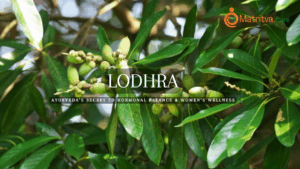
Nirgundi, also known as Five-Leaved Chaste Tree, is a medicinal shrub native to South and Southeast Asia. It is widely recognized in Ayurveda, Unani, and Siddha systems of medicine for its anti-inflammatory, analgesic, and antioxidant properties.
The name “Nirgundi” comes from Sanskrit, meaning “that which protects the body from ailments.” Every part of the plant — leaves, roots, bark, and seeds — is used for various therapeutic purposes.
In traditional practices, Nirgundi has been employed for:
- Joint and muscular pain
- Wound healing
- Respiratory issues
- Skin disorders
- Menstrual irregularities
However, its most praised benefit remains its effectiveness in managing arthritis and joint-related ailments.
Why Is Joint Pain a Growing Concern Today?
Joint pain is no longer limited to the elderly. With sedentary lifestyles, poor diet, autoimmune disorders, and increasing stress, even young adults are now experiencing conditions like:
- Osteoarthritis
- Rheumatoid arthritis
- Gout
- Back and neck stiffness
- Tendonitis and bursitis
Conventional treatment options such as NSAIDs (non-steroidal anti-inflammatory drugs) and corticosteroids come with side effects like stomach ulcers, weight gain, and weakened immunity. This has led many to seek natural, sustainable alternatives — where Nirgundi steps in as a hero herb.
Nirgundi’s Power: What Makes It Effective for Joint Pain?
1. Potent Anti-Inflammatory Action
Inflammation is the primary cause behind most joint disorders, including arthritis and bursitis. Nirgundi contains flavonoids, terpenoids, and alkaloids that inhibit the production of inflammatory mediators such as prostaglandins and cytokines. This helps reduce swelling, redness, and tenderness in joints, bringing relief from both acute and chronic inflammatory conditions.
2. Natural Analgesic (Pain-Relieving) Properties
Nirgundi acts as a mild yet effective pain reliever. It influences nerve responses and pain receptors to reduce the perception of pain. Unlike synthetic painkillers, which may provide temporary relief with long-term side effects, Nirgundi eases pain gently, making it suitable for prolonged use without the risk of addiction or dependency.
3. Muscle Relaxant and Anti-Spasmodic Effect
Joint pain is often accompanied by muscle stiffness and spasms, which restrict mobility. The compounds in Nirgundi help relax muscles and tendons around the affected area. This property is especially useful for conditions like cervical spondylosis or lower back pain, where muscle tightness exacerbates joint discomfort.
4. Powerful Antioxidant Support
Oxidative stress accelerates joint degeneration by damaging cartilage and surrounding tissues. Nirgundi is rich in antioxidants that neutralize harmful free radicals, slow down the aging process of joints, and protect against further damage. This makes it a great option not just for pain relief, but for joint preservation as well.
5. Enhanced Blood Circulation to Joints
Good circulation is essential for joint health, as it ensures adequate nutrient and oxygen supply to tissues. Nirgundi stimulates blood flow in affected areas, which helps remove accumulated toxins and delivers nourishment for tissue repair. This accelerates the healing process and improves joint function over time.
6. Support for Autoimmune Joint Disorders
In conditions like rheumatoid arthritis, where the immune system attacks joint tissues, Nirgundi’s immune-modulating effects come into play. It helps in regulating immune responses, reducing the frequency and severity of inflammatory flare-ups, and easing associated symptoms like swelling, fatigue, and stiffness.
Forms of Nirgundi for Joint Pain Relief
You can consume or apply Nirgundi in various forms, depending on your preference and the severity of symptoms:
a) Nirgundi Oil
Made by infusing Nirgundi leaves in carrier oils like sesame or mustard, this is one of the most effective ways to apply the herb directly to painful joints.
- Massage gently on the affected area twice daily
- Helps relieve swelling, stiffness, and chronic pain
b) Nirgundi Powder or Churna
Dried and powdered leaves are taken orally with warm water or honey.
- Usually taken in doses of 1–3 grams per day under guidance
- Useful for internal inflammation and rheumatoid arthritis
c) Nirgundi Capsules or Tablets
For those who prefer a modern approach, standardized extracts are available in capsule or tablet form.
- Easy to consume and regulate dosage
- Ideal for people with busy lifestyles
d) Nirgundi Juice or Decoction
Fresh leaves are crushed and boiled to make a decoction that can be consumed or used externally.
- Effective for both detoxification and external pain relief
- Sometimes combined with herbs like Ashwagandha or Shallaki for added effect
Precautions and Who Should Avoid Nirgundi
While Nirgundi is generally safe, a few precautions should be considered:
- Pregnant and breastfeeding women should avoid unless prescribed by a doctor.
- People with severe liver or kidney issues should consult a healthcare provider before starting.
- Always purchase Nirgundi products from trusted Ayurvedic brands to ensure purity and authenticity.
- Follow dosage instructions properly to avoid gastrointestinal discomfort.
How to Incorporate Nirgundi into Daily Life
- Morning ritual: Apply Nirgundi oil to affected joints after a warm bath.
- Evening herbal tea: A mild decoction of Nirgundi leaves can help detox and reduce inflammation.
- Post-exercise recovery: Use as a massage oil to ease sore muscles and joints.
- Weekly Ayurvedic routine: Combine with other herbs like Guggulu, Shallaki, or Turmeric for synergistic effects.
Consistency is key. Most people start experiencing noticeable relief within 2 to 4 weeks of regular use.
Conclusion: A Time-Honored Herb for a Modern Ailment
In an age where more people are realizing the dangers of long-term pharmaceutical use, the return to Ayurvedic herbs like Nirgundi is both refreshing and necessary. Its multi-dimensional healing properties, backed by tradition and science, make it one of the best natural cures for joint pain today.
Whether you’re dealing with arthritis, muscular pain, or general stiffness, Nirgundi offers a safe, affordable, and sustainable path to relief. By incorporating it into your wellness routine, you’re not only treating the symptoms but also restoring your body’s natural balance — the true essence of Ayurveda.
Frequently Asked Questions (FAQs) About Nirgundi and Joint Pain Relief
Nirgundi (Vitex negundo) is a medicinal herb widely used in Ayurveda for its powerful anti-inflammatory and analgesic properties. It helps relieve joint pain by reducing inflammation, soothing stiff muscles, improving blood circulation, and combating oxidative stress—all of which contribute to healthier, pain-free joints.
Yes, Nirgundi is effective for various types of arthritis, including osteoarthritis and rheumatoid arthritis. It helps ease swelling, pain, and joint stiffness. In autoimmune cases like rheumatoid arthritis, it also aids in regulating immune response and reducing flare-ups when used consistently under Ayurvedic guidance.
Nirgundi can be used both externally and internally. For topical use, Nirgundi oil can be massaged onto the affected joints twice daily. Internally, it can be consumed in the form of powders, decoctions, or tablets as prescribed by an Ayurvedic practitioner. Combining both approaches often yields the best results.
Relief can vary depending on the severity of the condition and consistency of use. Some individuals notice improvement within 1–2 weeks, especially when using Nirgundi oil regularly. However, for chronic conditions like arthritis, sustained use over several weeks to months may be needed for noticeable long-term relief.
Yes, Nirgundi can be used as a complementary therapy along with conventional medicine. However, it’s important to inform your doctor or Ayurvedic practitioner about all ongoing medications to avoid any interactions. Integrative approaches often yield better outcomes in managing chronic joint conditions.

Add comment