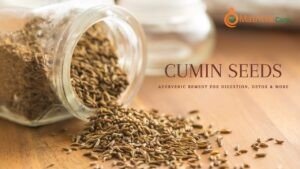


In the heart of every Indian kitchen lies a treasure chest of healing ingredients. Among them, one humble spice often goes unnoticed, though it carries the potency to balance the body’s energies, strengthen digestion, and restore vitality—Ajwain, or Carom seeds. Tiny, pungent, and easily mistaken for mere seasoning, Ajwain holds a revered place in Ayurveda, the ancient science of life and healing. It is not just a spice—it is a medicinal marvel, a tridosha-balancer, and a digestive elixir wrapped into one.
Ajwain, known as Yavani in Sanskrit, is a staple in Indian households. From relieving indigestion to aiding respiratory disorders, its use spans generations. However, what modern wellness seekers often overlook is Ajwain’s deep connection with Ayurveda’s foundational principle—the balance of the three doshas: Vata, Pitta, and Kapha. In Ayurveda, maintaining harmony among these doshas is essential for health, and Ajwain is one of the rare herbs that can regulate all three when used mindfully.
In this article, we’ll explore the Ayurvedic significance of Ajwain, the bioenergetics behind its tridosha-balancing nature, its health benefits as documented in traditional texts, and how to incorporate it in your daily routine to unlock its full potential.
The Ayurvedic Profile of Ajwain: More Than Just a Spice
In Ayurvedic terms, every herb or spice is classified based on its rasa (taste), virya (potency), vipaka (post-digestive effect), and guna (qualities). Ajwain is pungent in both taste (rasa) and post-digestive effect (vipaka). It has a hot potency (ushna virya), and its qualities are light (laghu) and dry (ruksha).
This means Ajwain is capable of igniting Agni, the digestive fire, and dispersing Ama, the toxins or undigested matter that accumulate in the body due to poor digestion. It is especially helpful for balancing Vata and Kapha doshas, which are cold and heavy by nature. Interestingly, when used in controlled amounts, Ajwain can also soothe aggravated Pitta, despite its heating nature, by promoting the proper flow of digestive juices without overheating the system.
Because of this tridoshic action, Ajwain is often included in Ayurvedic formulations for digestion, respiratory conditions, women’s health, and detoxification. Its ability to cut through sluggishness, stimulate metabolism, and clear blockages makes it a highly versatile spice in both food and medicine.
Ajwain and Vata Dosha: A Natural Stabilizer
Vata dosha, associated with air and space, governs movement, communication, and nerve impulses. When out of balance, it causes gas, bloating, constipation, dryness, and anxiety. Ajwain, with its warming and stimulating qualities, is one of the best herbs to pacify Vata.
It improves the downward movement of Vata, especially in the digestive tract, aiding the elimination of gas and supporting regular bowel movements. Traditionally, warm Ajwain water or Ajwain boiled with a pinch of black salt has been a go-to home remedy for gas and stomach cramps—especially after overeating or during cold weather, when Vata tends to aggravate.
In Ayurvedic post-natal care, where stabilizing Vata is a priority, Ajwain is commonly used to help the mother recover digestive strength and relieve post-delivery bloating and discomfort. Its carminative nature helps ground the lightness of Vata, bringing warmth and nourishment back to the body.
Ajwain and Kapha Dosha: Breaking Through Heaviness
Kapha dosha, which embodies earth and water elements, is responsible for stability, lubrication, and structure. When imbalanced, it leads to sluggish digestion, excess mucus, weight gain, and lethargy. Ajwain’s dry and heating qualities directly counter Kapha’s cool and damp nature.
Ajwain acts as a natural mucolytic—it breaks down phlegm and clears congestion from the lungs and sinuses. It’s often used in Ayurvedic medicine to relieve colds, asthma, and bronchitis. Steaming with Ajwain seeds or inhaling Ajwain fumes is a common practice to clear nasal passages and soothe Kapha-related respiratory issues.
Internally, Ajwain stimulates metabolism, reduces water retention, and enhances fat metabolism. For those dealing with slow digestion or a feeling of heaviness after meals, Ajwain-infused water or a digestive mix containing Ajwain can work wonders in rekindling Agni and restoring lightness.
Ajwain and Pitta Dosha: Balancing with Caution
Pitta dosha, made of fire and water, governs digestion, metabolism, and transformation. While Ajwain is heating in nature, when used in small, controlled quantities, it can support Pitta without aggravating it.
This is especially true in cases of digestive disturbances related to Pitta, like acid reflux or hyperacidity caused by food stagnation. Ajwain promotes proper enzymatic activity and prevents fermentation in the gut, which can often lead to acidity. Its volatile oil, thymol, has antimicrobial and anti-inflammatory effects that soothe the stomach lining and support gut health.
In cases of Pitta imbalance where symptoms like inflammation or excessive heat are present, it’s best to use Ajwain alongside cooling herbs like fennel or coriander to maintain equilibrium. Ayurveda emphasizes the importance of synergy between herbs to balance their energetic actions.
Ajwain’s Role in Deepana and Pachana: Strengthening Agni
Two of the most important Ayurvedic concepts for maintaining health are Deepana (kindling the digestive fire) and Pachana (burning undigested toxins or Ama). Ajwain is one of the most powerful herbs in achieving both.
It clears out sluggish digestion, kindles appetite, and enables the body to break down food efficiently. At the same time, it helps clear Ama from the GI tract and prevents it from circulating into deeper tissues. This dual action not only helps in better digestion but also contributes to overall vitality, immunity, and clarity of mind.
Ajwain’s role in digestion also extends to mental clarity. According to Ayurveda, proper digestion is not just about the stomach—it is also about Sadhaka Pitta, the aspect of Pitta that governs emotions and intellect. When digestion is clear and efficient, so is the mind. Ajwain, therefore, plays a role in emotional balance as well.
Ajwain in Women’s Health and Ayurveda
Ajwain is often recommended in Ayurvedic gynecology for various women’s health issues. It helps relieve menstrual cramps, promotes healthy flow, and reduces water retention during menstruation. Its warming nature eases uterine discomfort and supports the movement of Apana Vata—the downward-moving energy that governs menstruation and elimination.
During post-natal care, Ajwain is used in formulations and diets to strengthen digestion, prevent gas accumulation, and support the recovery of the reproductive system. Ajwain water is commonly given to new mothers to help expel toxins and maintain warmth in the body.
For women facing hormonal imbalances rooted in poor digestion or Kapha dominance, Ajwain can serve as a metabolic stimulant that helps regulate menstrual cycles and manage weight gain.
Modern Research Supports Ancient Wisdom
While Ayurveda has championed Ajwain for thousands of years, modern science has also taken note of its therapeutic potential. Studies have confirmed Ajwain’s antimicrobial, antifungal, antioxidant, and anti-inflammatory properties. Its key active compound, thymol, has been found effective in treating indigestion, respiratory disorders, and even infections.
Ajwain’s ability to reduce intestinal gas, improve enzyme secretion, and fight pathogens supports its Ayurvedic usage for digestive and immune health. It’s no surprise that Ajwain is now included in several modern formulations aimed at improving metabolism and gut health.
How to Use Ajwain in Daily Life—The Ayurvedic Way
The best part about Ajwain is that it’s easily accessible and simple to incorporate into your routine. Chewing a pinch of Ajwain seeds after meals helps stimulate digestion and prevent gas. Drinking Ajwain-infused warm water early in the morning can support weight loss, detoxification, and respiratory health.
In cooking, Ajwain can be added to curries, lentils, and even parathas to enhance flavor and aid digestion. It is especially helpful in heavy, oily, or fried foods that may otherwise aggravate Kapha or Vata. For children with digestive upsets, a gentle Ajwain decoction with a drop of ghee is often used as a soothing remedy.
One of the classic Ayurvedic preparations is Ajwain Ark—a distilled water made from Ajwain seeds, commonly used to treat bloating, indigestion, and colic. It is mild yet effective and can be taken under the guidance of an Ayurvedic practitioner.
Conclusion: Ajwain—The Overlooked Tridoshic Healer
Ajwain may sit quietly in a corner of your kitchen shelf, but it carries within it the profound wisdom of Ayurveda. As a tridosha-balancing herb, it exemplifies the Ayurvedic principle of restoring equilibrium to the body, mind, and spirit through simple, natural means.
Whether you are battling indigestion, seasonal colds, hormonal imbalances, or simply want to enhance your digestive fire, Ajwain offers a time-tested, safe, and powerful remedy. It’s not just a spice—it’s an elixir of wellness, one that has nourished generations and continues to offer healing for today’s modern ailments.
In an age where we are bombarded by synthetic solutions for every minor discomfort, perhaps it’s time to look inward—to our traditions, our kitchens, and our roots. And in that journey, Ajwain stands as a small but mighty ally you’d do well not to overlook.
Frequently Asked Questions (FAQs)
Ajwain balances all three doshas—Vata, Pitta, and Kapha—when used correctly. Its hot, light, and dry properties pacify Vata and Kapha by stimulating digestion and clearing excess mucus. In small, controlled quantities, it also aids Pitta by improving digestion without aggravating internal heat, especially when combined with cooling herbs.
In Ayurveda, Ajwain is classified as both Deepana (appetite stimulant) and Pachana (digestive toxin burner). It strengthens Agni, the digestive fire, helps break down food more efficiently, relieves gas and bloating, and prevents the formation of Ama, the undigested toxins that lead to imbalance and disease.
Yes, Ajwain can be consumed in small amounts daily to support digestion and metabolism. Chewing a pinch after meals or drinking Ajwain-infused warm water in the morning are common Ayurvedic practices. However, excessive use may aggravate Pitta, so moderation is key—especially in hot climates or for people with strong Pitta constitution.
Absolutely. Ajwain is highly effective in clearing excess Kapha from the respiratory tract. It helps break down mucus, eases congestion, and supports conditions like asthma, cough, sinusitis, and colds. Inhaling steam from boiled Ajwain seeds or dry-roasting and smelling the seeds are traditional Ayurvedic remedies for respiratory relief.
Yes, Ajwain plays a valuable role in Ayurvedic women’s health care. It helps relieve menstrual cramps, supports proper menstrual flow, and reduces post-partum bloating. It is commonly given in postnatal diets to aid digestion, expel gas, and strengthen reproductive health. Ajwain water is also used to help new mothers recover their digestive fire.
Yes. Modern studies confirm Ajwain’s antibacterial, antifungal, antioxidant, and digestive stimulant properties. Its main active compound, thymol, has been shown to aid in treating indigestion, flatulence, and infections—supporting what Ayurveda has taught for centuries about its healing capabilities.
You can add Ajwain seeds to your cooking, chew them after meals, or make Ajwain water by boiling a teaspoon of seeds in warm water and sipping it throughout the day. To avoid excess heat, especially in summer or if you have Pitta dominance, consider pairing it with cooling herbs like fennel or coriander.


Add comment