
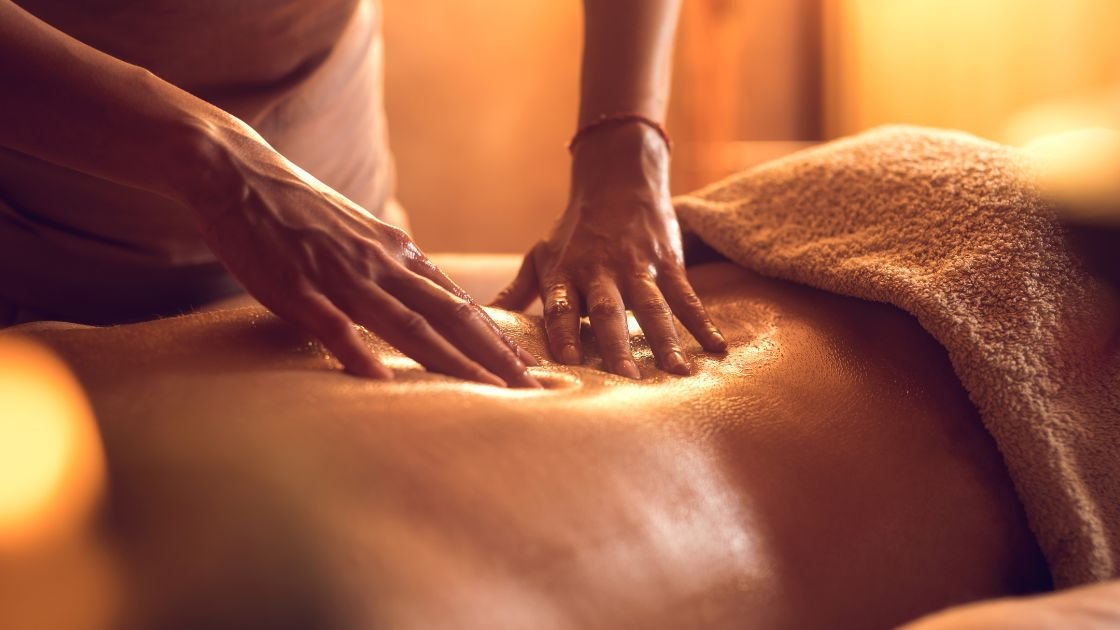
Welcoming a baby into the world is a life-changing experience, filled with moments of joy, love, and transformation. However, it is also a time when the mother’s body undergoes significant physical and emotional changes. Postpartum recovery is a crucial phase, and many ancient traditions emphasize postpartum massage as a means of promoting healing and rejuvenation for new mothers.
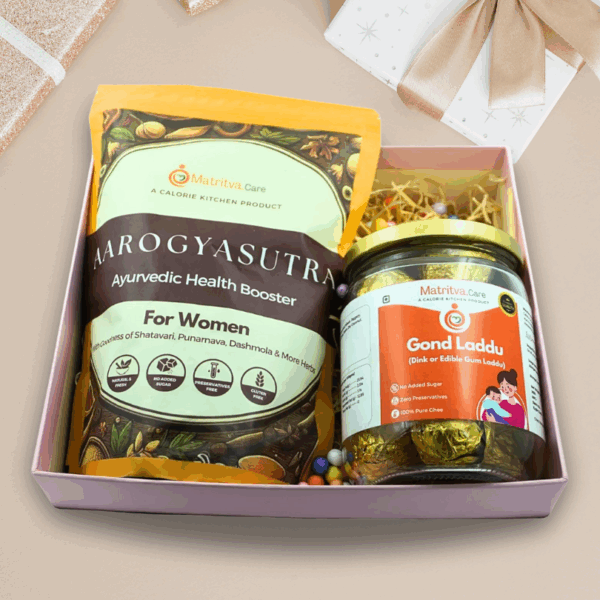
In this comprehensive guide, we’ll explore Postpartum Massage for New Moms, covering myths, facts, expert tips, and the incredible benefits it offers for faster recovery. We’ll also introduce you to Matritva Care’s SWASTI – Post Delivery Massage Oil, a product rooted in ancient tribal wisdom designed to aid in postpartum recovery naturally.
1. The Importance of Postpartum Care: Why Massage Matters
The postpartum period, also called the fourth trimester, is a critical time for a mother’s recovery. After childbirth, the body needs to heal from the physical strain of labor, hormonal fluctuations, and the challenges of early motherhood. Yet, many new mothers often overlook their own health while focusing on their newborns.
Why Postpartum Care Is Essential:
- Physical Recovery: Childbirth often leads to aches, pains, and swelling in various parts of the body. Proper care helps reduce these discomforts.
- Hormonal Balance: The abrupt drop in pregnancy hormones can lead to mood swings, fatigue, or even postpartum depression.
- Emotional Well-being: Restoring the mother’s sense of calm and relaxation is vital for a balanced recovery.
Postpartum massage is a time-tested practice rooted in ancient cultures worldwide. From traditional Indian Ayurveda to Chinese and Thai massage techniques, cultures have emphasized the importance of nurturing the mother after childbirth.
2. Benefits of Postpartum Massage for New Moms
Postpartum massage offers a wealth of physical and emotional benefits that aid in recovery. Here are the most significant ones:
Physical Benefits:
- Alleviates Pain: Relieves lower back pain, pelvic discomfort, and muscle soreness caused by pregnancy and labor.
- Improves Blood Circulation: Promotes oxygen and nutrient flow, speeding up recovery.
- Reduces Swelling: Helps eliminate fluid retention, especially in the legs, feet, and hands.
- Supports Uterine Contraction: Helps the uterus shrink back to its pre-pregnancy size.
- Encourages Weight Loss: Stimulates metabolism, aiding in the gradual shedding of pregnancy weight.
Emotional Benefits:
- Relieves Stress: The calming effect of massage helps reduce stress and anxiety.
- Improves Sleep: Encourages better sleep patterns by relaxing tense muscles.
- Eases Postpartum Depression: Releases endorphins, the body’s natural mood lifters.
3. Myths About Postpartum Massage: Separating Fact from Fiction
Despite its benefits, postpartum massage is surrounded by myths. Let’s debunk some common misconceptions:
Myth 1: Postpartum Massage is Only for the First Week
Fact: Postpartum massage can be beneficial for several months after childbirth. It helps address long-term muscle tension and emotional stress.
Myth 2: You Can’t Get a Massage if You Had a C-Section
Fact: While direct pressure on the incision area is avoided, gentle massage techniques can be used to reduce tension in other areas, such as the back, shoulders, and legs.
Myth 3: Massage Will Interfere with Breastfeeding
Fact: On the contrary, massage can improve milk production by reducing stress and enhancing circulation.
Myth 4: Only Professionals Can Give Postpartum Massages
Fact: While professional massage is beneficial, partners or family members can learn simple techniques to help new moms feel relaxed and cared for.
4. Techniques and Tips for Effective Postpartum Massage
Understanding the right techniques is crucial to maximizing the benefits of postpartum massage. Here are some expert tips to guide you:
Recommended Massage Techniques:
- Gentle Swedish Massage:
- Light, flowing strokes to relax the muscles and improve circulation.
- Ideal for the first few weeks post-delivery.
- Deep Tissue Massage:
- Targets deeper layers of muscles to relieve chronic pain or tension.
- Recommended after the initial recovery period.
- Abdominal Massage:
- Gentle circular motions around the abdomen to aid uterine contraction and digestion.
- Hot Stone Therapy:
- Uses heated stones to relax muscles and improve circulation.
- Great for relieving back and shoulder pain.
- Foot Reflexology:
- Focuses on pressure points in the feet to reduce swelling and promote relaxation.
Key Tips for Postpartum Massage:
- Timing: Wait at least 1-2 weeks after a vaginal delivery or 4-6 weeks after a C-section. Always consult your doctor.
- Hydration: Drink plenty of water after a massage to flush out toxins.
- Comfortable Environment: Ensure the room is warm, quiet, and free of distractions.
- Regular Sessions: Aim for at least 2-3 sessions a week for the first month.
5. Enhancing Postpartum Recovery with SWASTI – Post Delivery Massage Oil
Postpartum massage is most effective when paired with the right massage oil. Matritva Care’s SWASTI – Post Delivery Massage Oil is an excellent choice, offering a blend of traditional wisdom and natural ingredients designed for new mothers.
What Makes SWASTI Special:
- Ancient Tribal Wisdom: Formulated with insights from Wayanad’s tribal healers.
- Handpicked Ingredients: Enriched with herbs like Ashwagandha, Turmeric, and Sesame Oil, known for their healing properties.
- Holistic Benefits:
- Reduces inflammation and promotes muscle relaxation.
- Hydrates and nourishes the skin, reducing postpartum dryness.
- Aids in relieving joint and back pain.
How to Use SWASTI for Maximum Benefits:
- Warm the oil slightly before application.
- Use circular motions for the abdomen and long strokes for arms and legs.
- Massage for at least 15-20 minutes daily.
By incorporating SWASTI into your postpartum routine, you can experience faster recovery and enhanced well-being.
Additional Postpartum Care Tips
While massage is an essential aspect of recovery, a holistic approach is vital. Here are some additional tips:
- Balanced Nutrition:
- Include nutrient-rich foods like leafy greens, whole grains, lean proteins, and nuts.
- Focus on iron and calcium to replenish your body.
- Stay Active:
- Light exercises like yoga or walking can help improve circulation and reduce stiffness.
- Consult your doctor before starting any exercise routine.
- Hydration:
- Drink at least 8-10 glasses of water daily to stay hydrated and support lactation.
- Emotional Support:
- Join postpartum support groups or talk to a counselor if needed.
- Share your feelings with loved ones to avoid feeling isolated.
- Adequate Rest:
- Sleep when the baby sleeps to catch up on rest.
- Delegate household chores to focus on your recovery.
Conclusion
Postpartum massage is not just a luxury but a necessity for new mothers. It promotes physical recovery, emotional well-being, and overall relaxation during a challenging yet beautiful phase of life. By debunking myths, following expert-recommended techniques, and using the right products like Matritva Care’s SWASTI – Post Delivery Massage Oil, you can ensure a smoother recovery process.
Remember, your postpartum care journey is as important as the care you provide to your newborn. Nurture yourself so you can fully embrace motherhood with strength and joy.
Frequently Asked Questions: Postpartum Massage for New Moms
Most mothers can begin postpartum massage 7–10 days after a normal delivery and 3–4 weeks after a C-section, depending on healing. Always consult your doctor before starting.
This is partly a myth. Massage improves circulation and muscle tone, which may support the body’s natural healing—but it cannot magically flatten the belly. Healthy diet, gentle movement, and time all play a role.
Yes. Postpartum massage supports healing by reducing muscle tension, improving blood circulation, easing back pain, enhancing sleep, and helping the uterus return to its natural position. It also promotes emotional relaxation and reduces postpartum stress.
Yes, in many cases. Gentle shoulder, back, and breast-area massage can relieve tension, improve blood flow, and lower stress hormones—factors that help increase milk production naturally.
Yes, but only after the incision has healed and with a doctor’s approval. Avoid direct pressure on the scar area initially. A trained postpartum therapist will focus on gentle techniques to support recovery.
Traditional Ayurvedic oils like sesame oil, almond oil, coconut oil, and herbal postpartum blends are preferred because they warm the body, reduce inflammation, and support muscle recovery.
Massage doesn’t replace medical treatment, but it can reduce stress hormones, relax the mind, improve sleep, and support emotional well-being—making it a helpful natural complement.


Add comment